Water Level
580
Water Temperature
32-34 degrees
Barometric Pressure
30.02
Water Clarity
4-6 inches
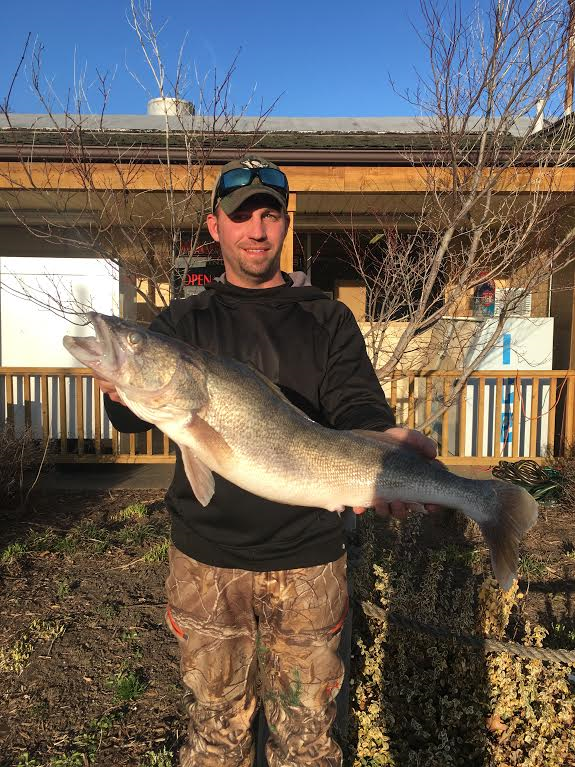
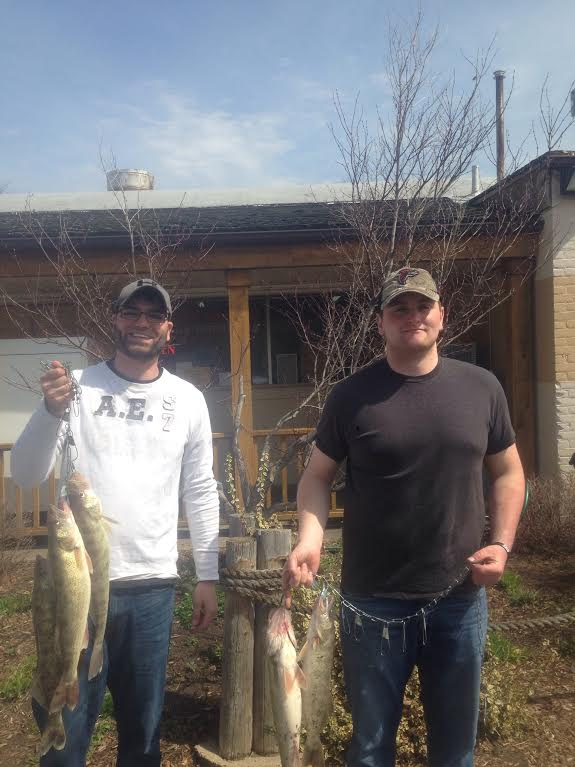
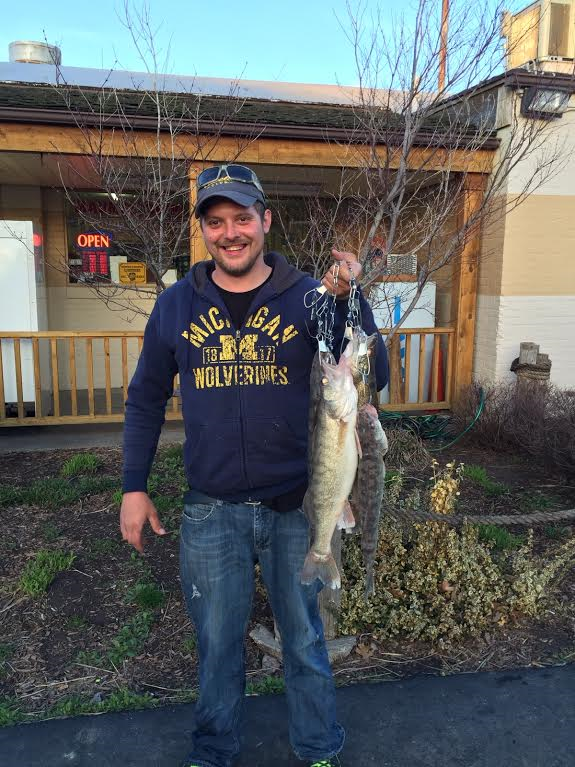
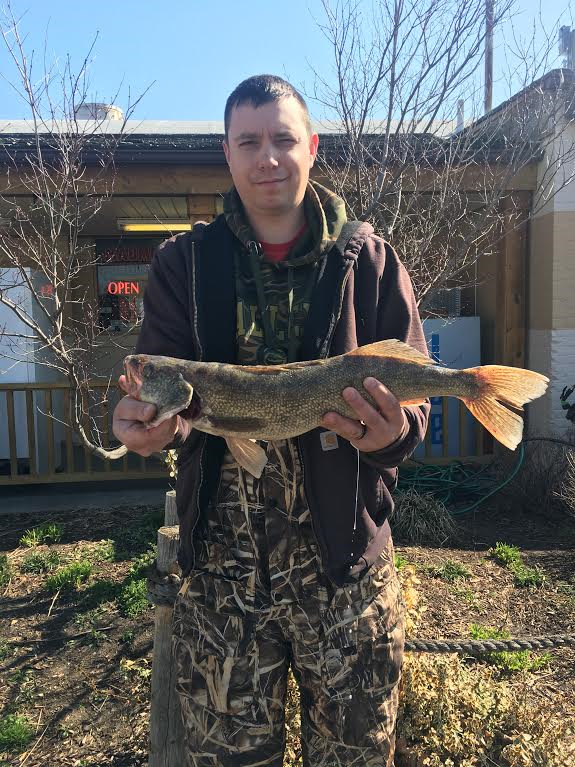
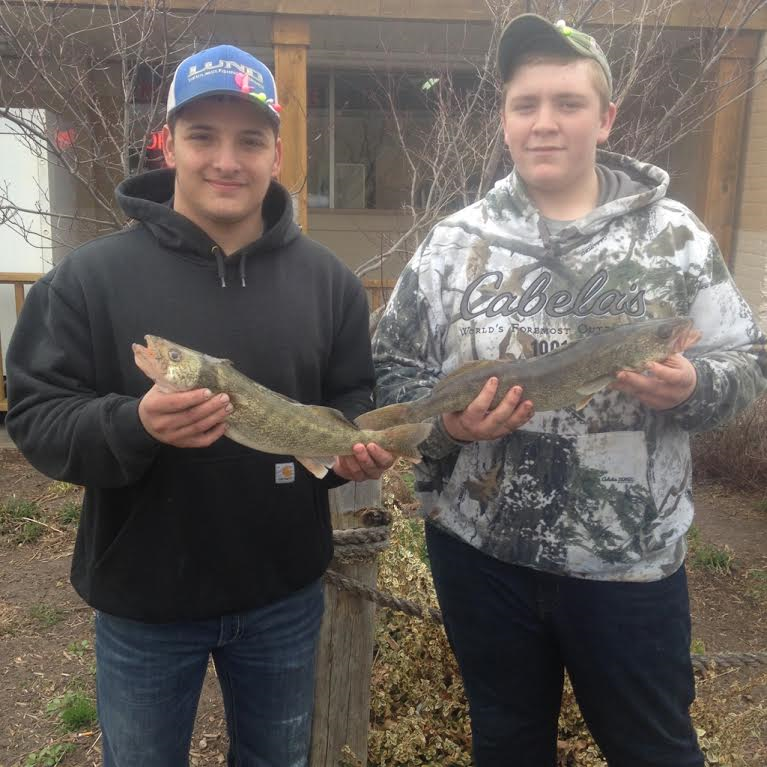
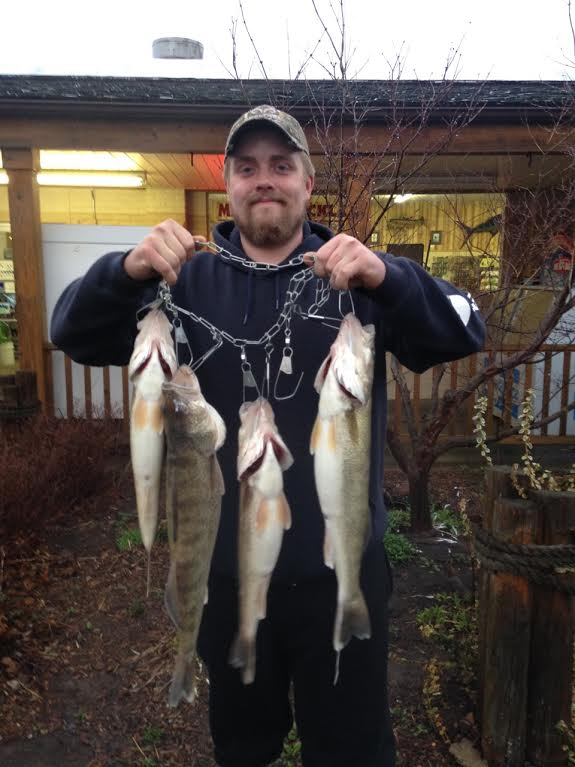
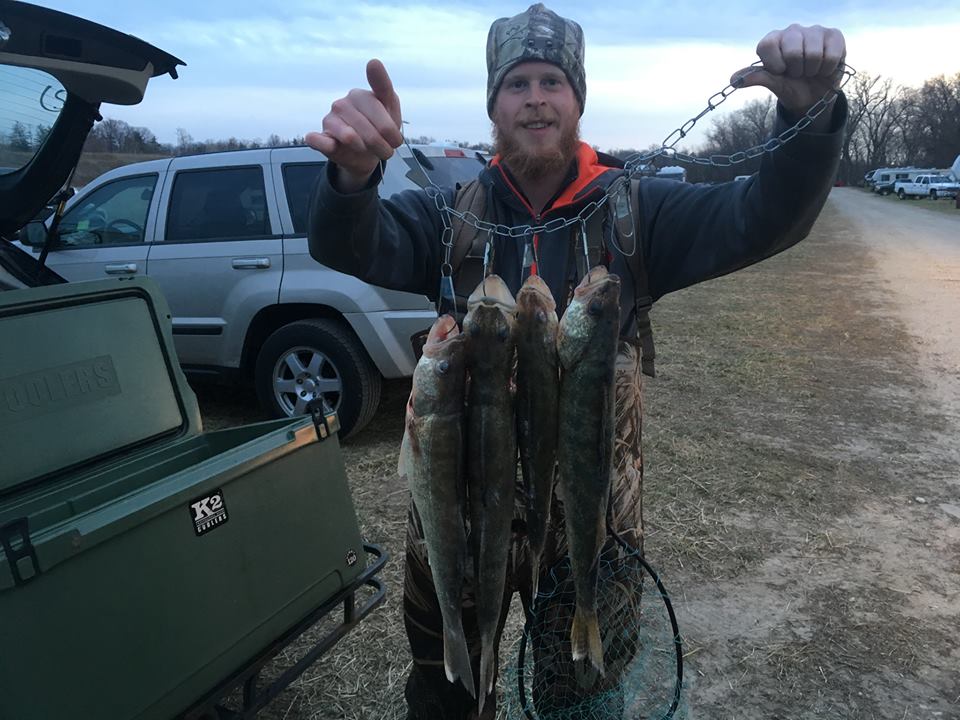
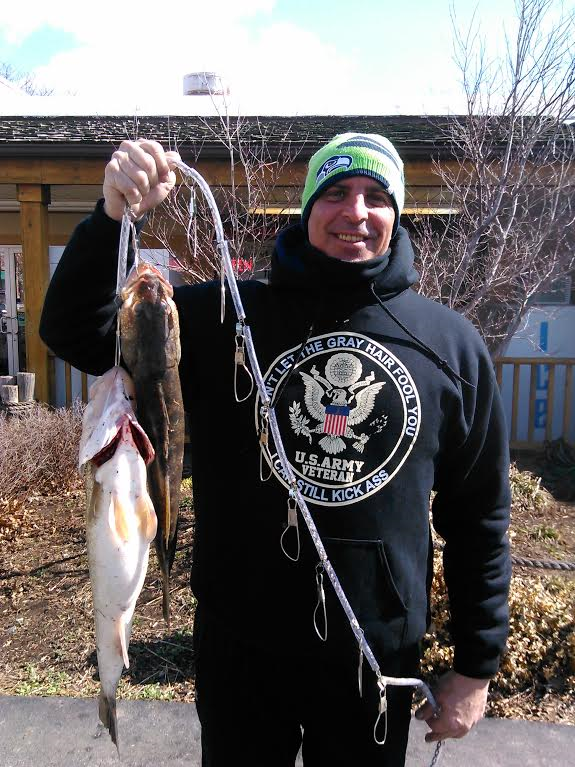
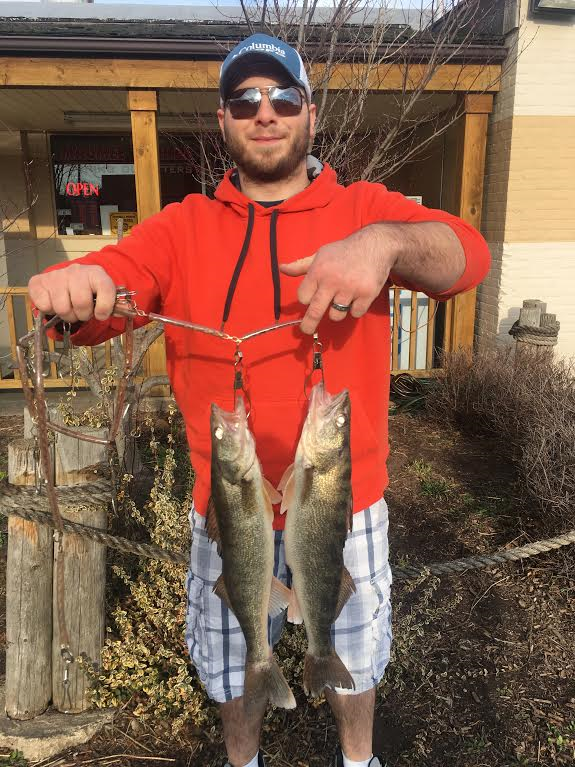
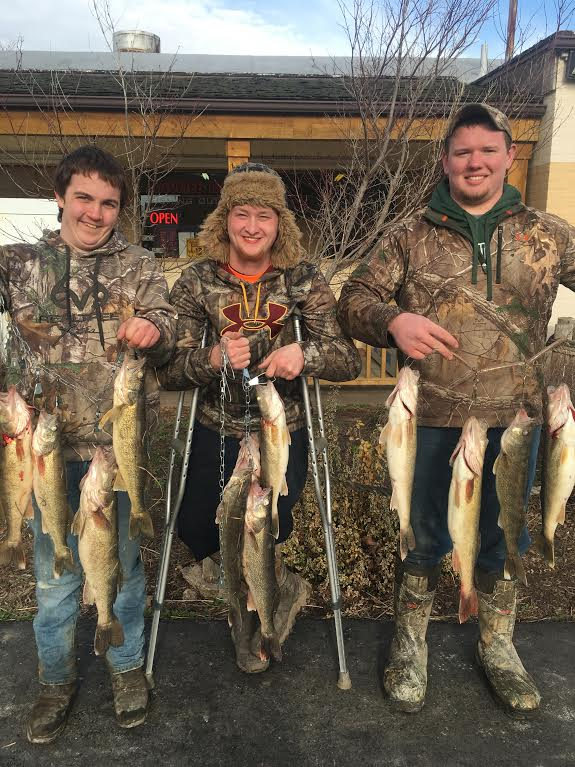
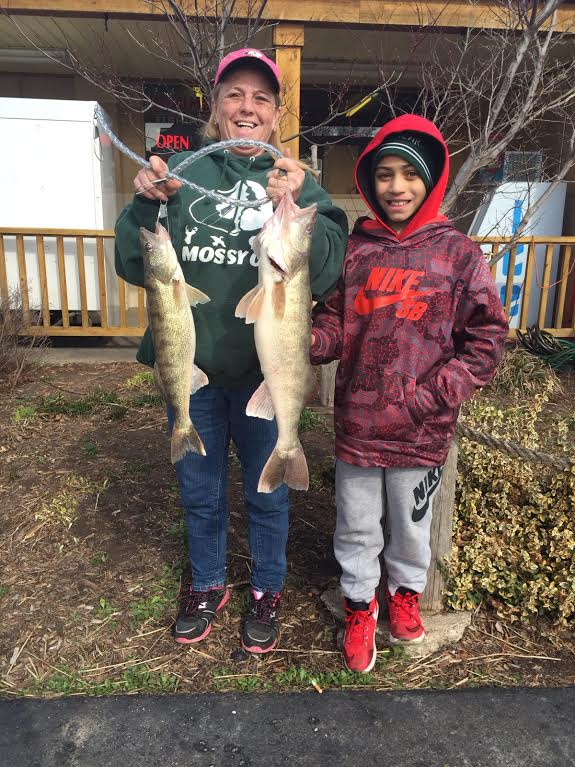
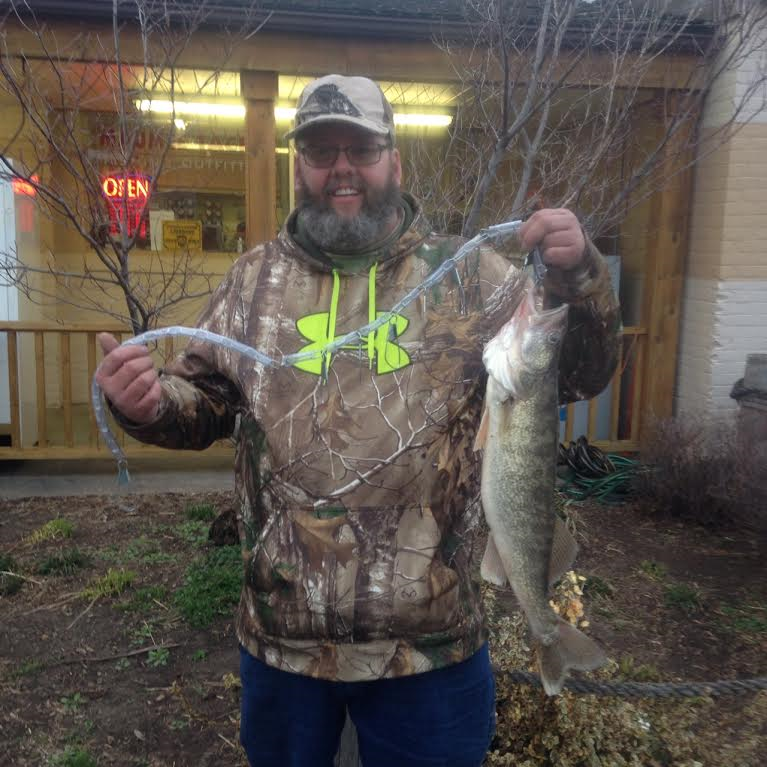
How ’bout some throwback pictures from 2016 to get us motivated
The Maumee is still partially frozen, so water temp is right at 32-34 degrees. In March, the days will get longer, temps will warm , the snow melt and spring rains will get the river levels up- all of which will trigger the walleye spawning instinct.
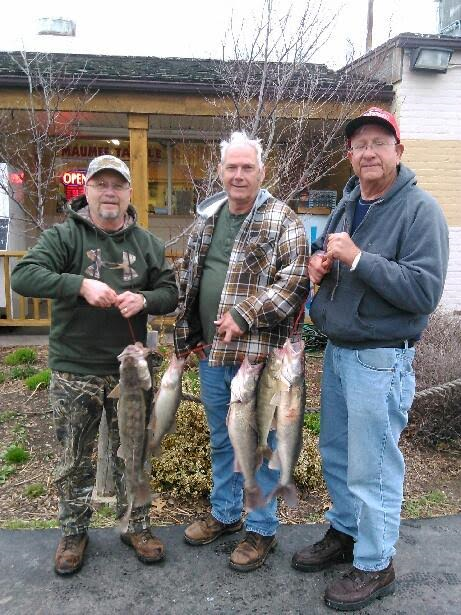
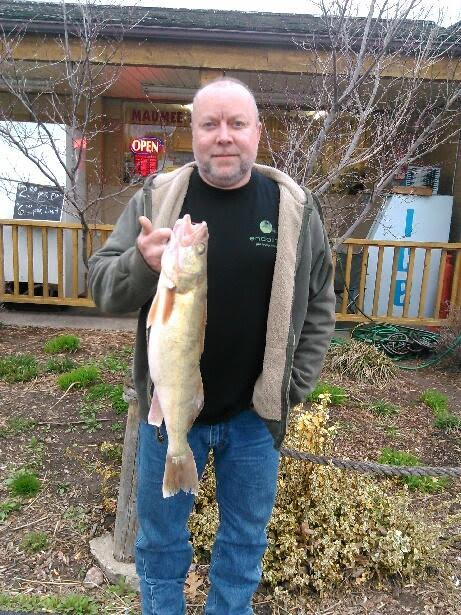
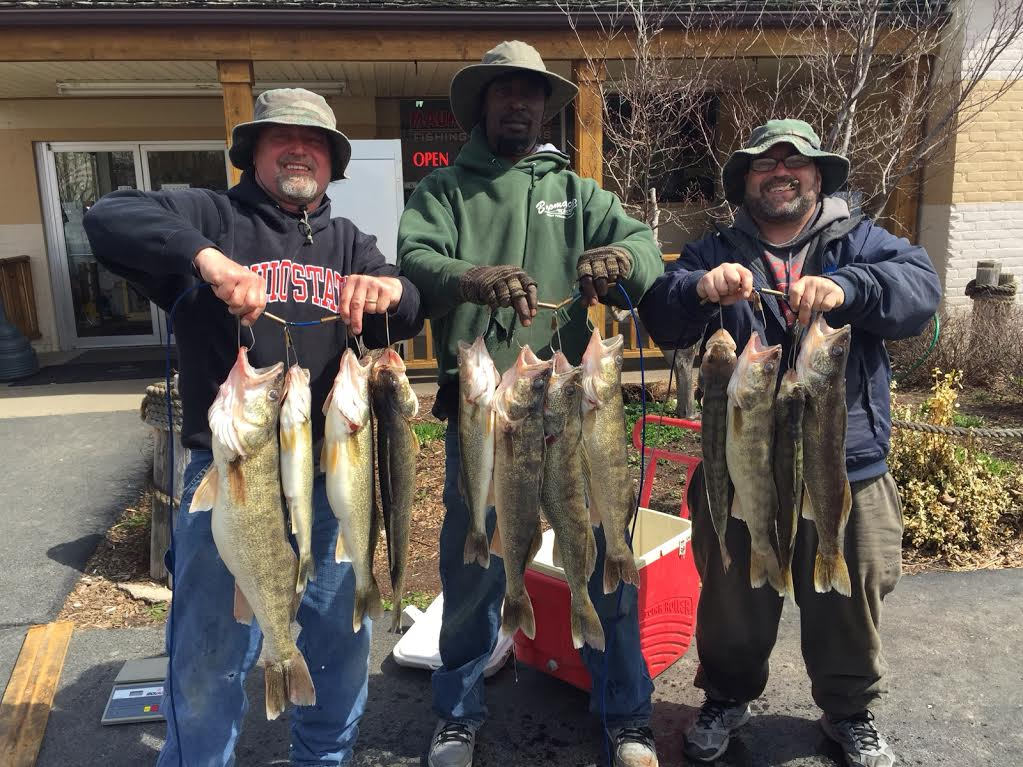

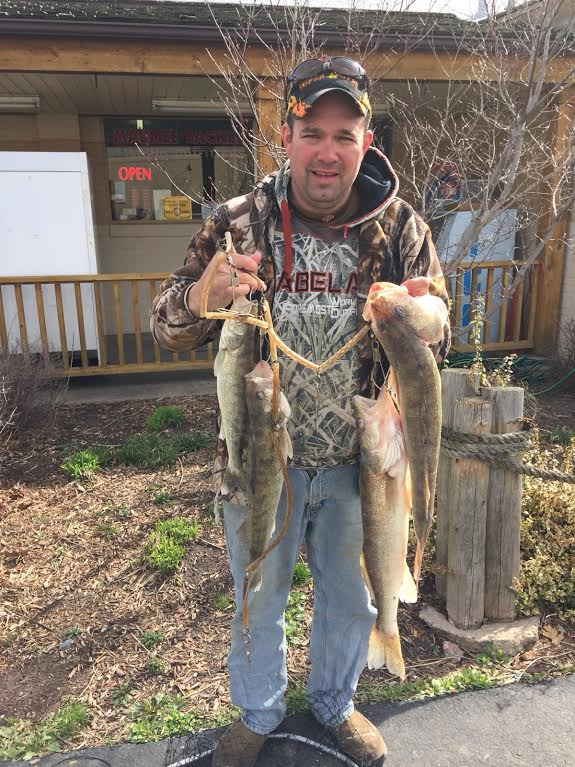
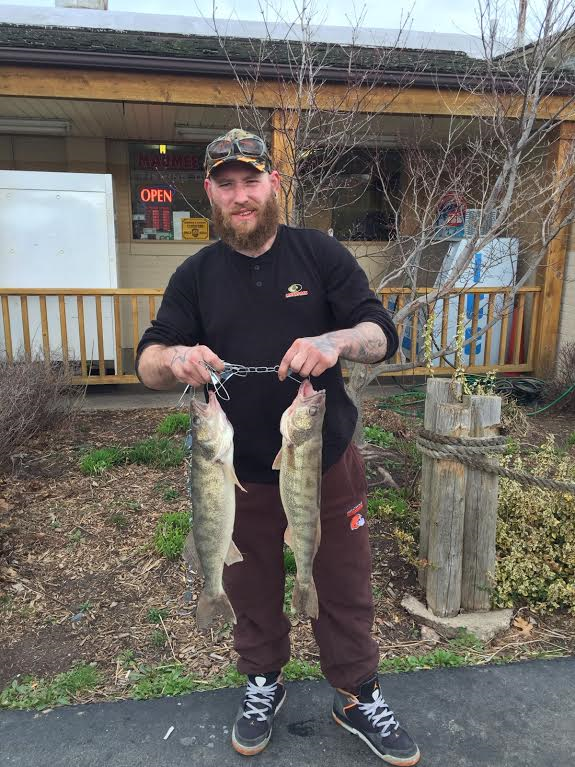
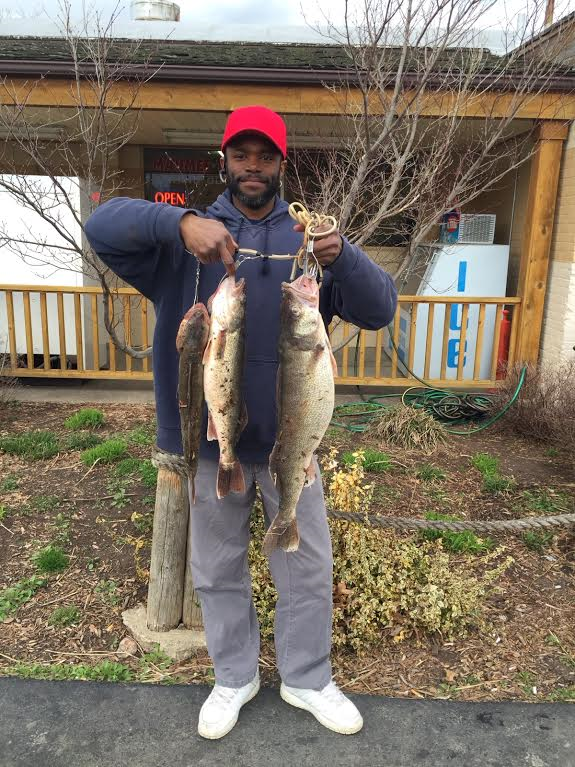
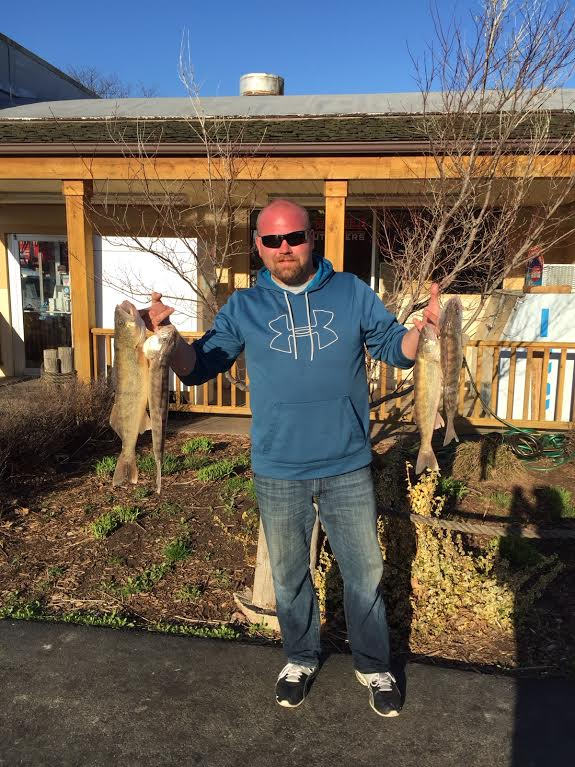
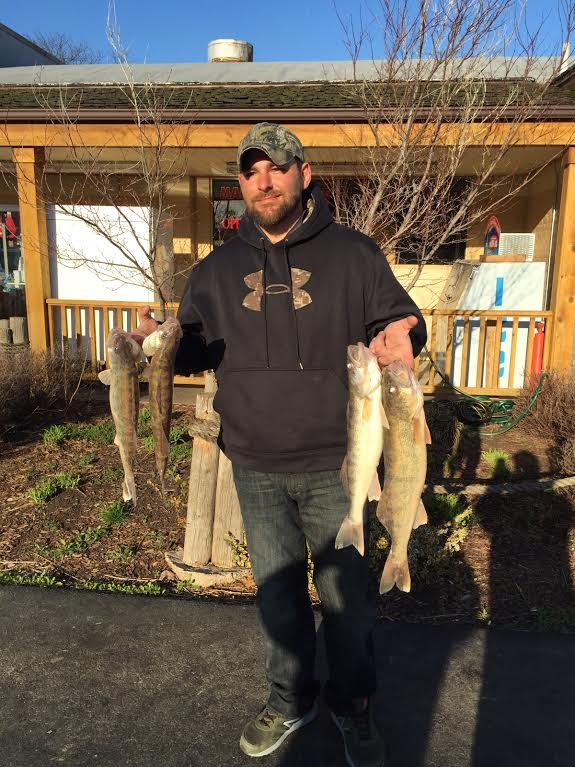
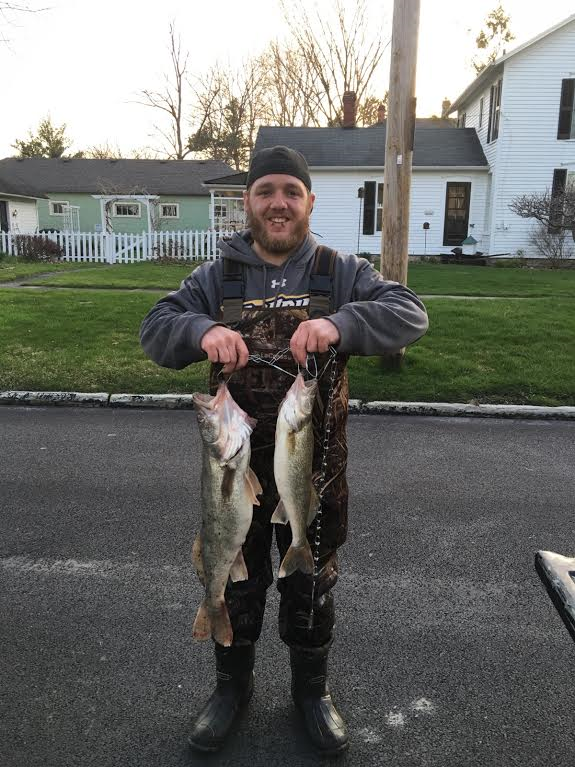
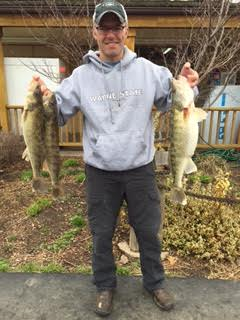
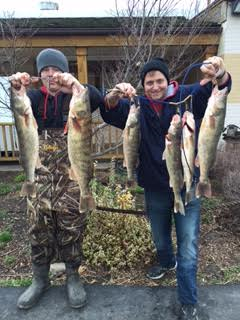
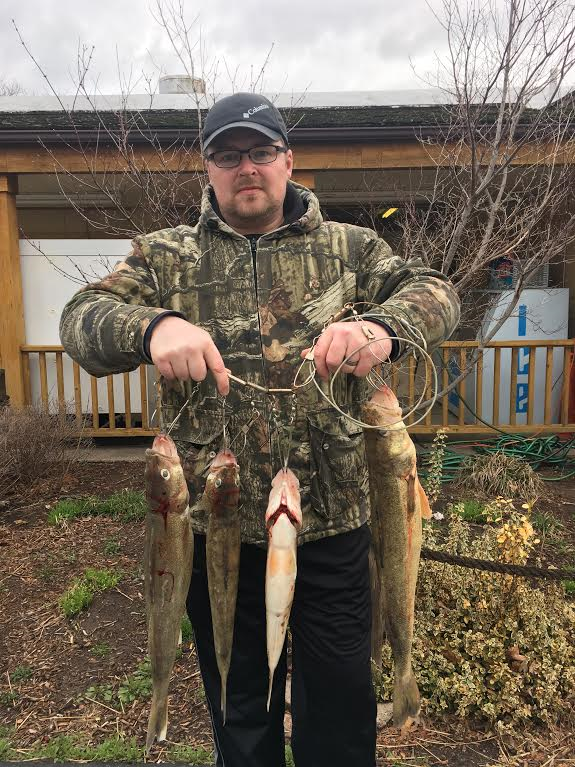
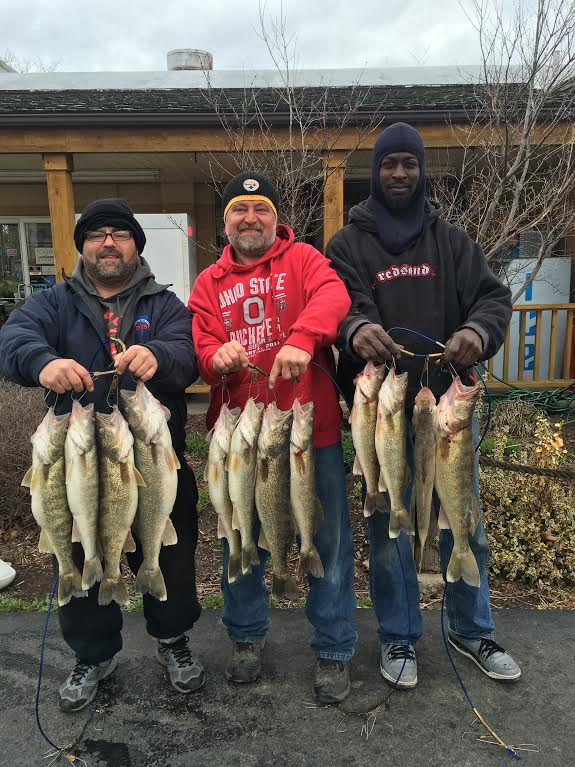
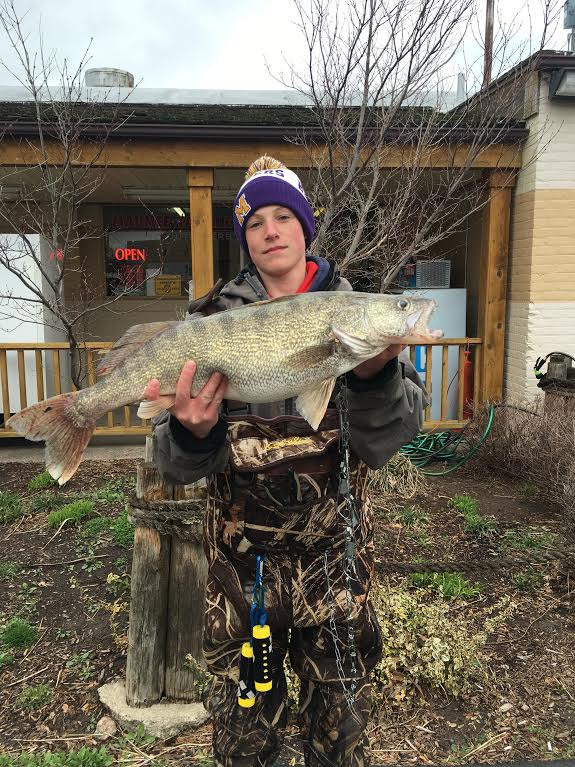
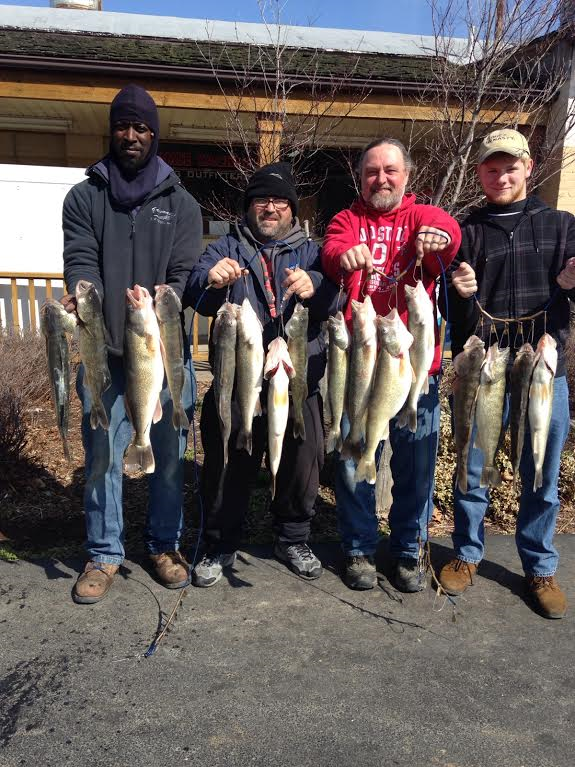


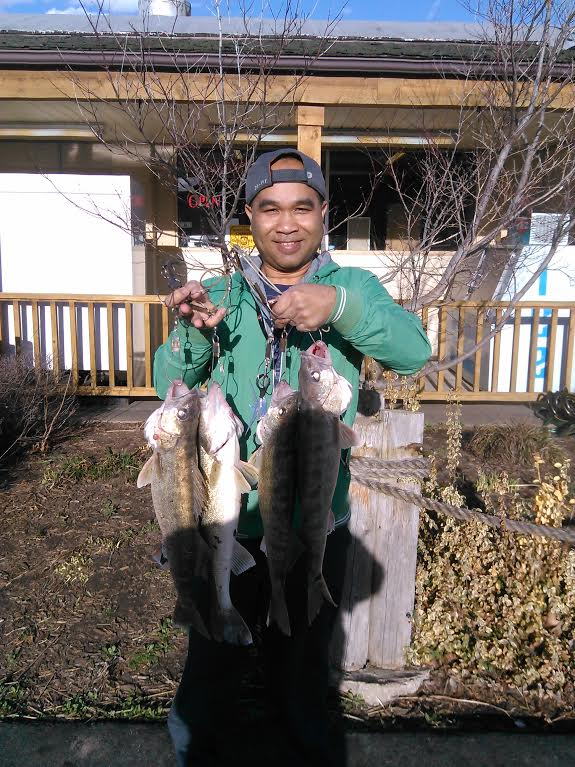
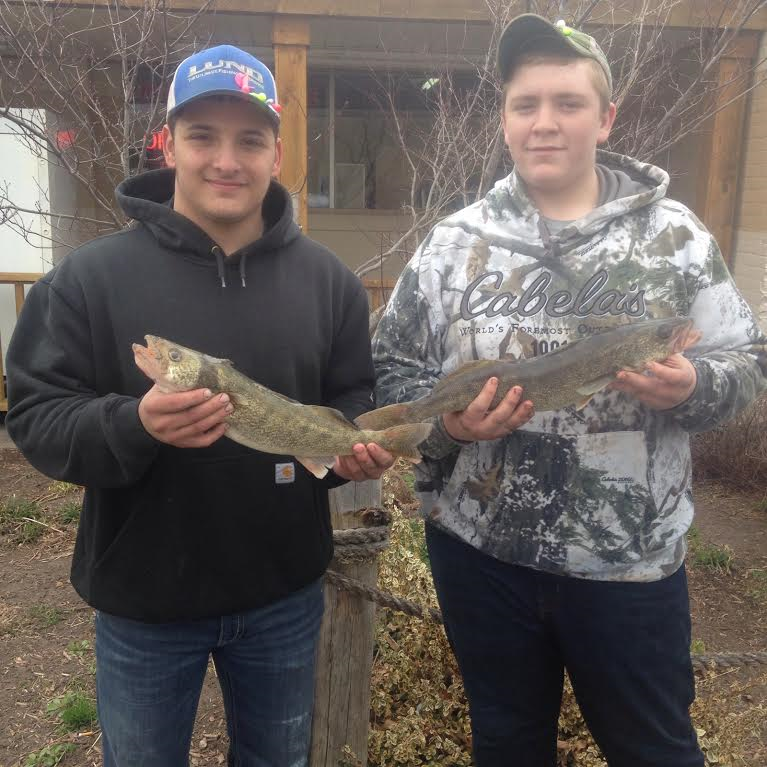
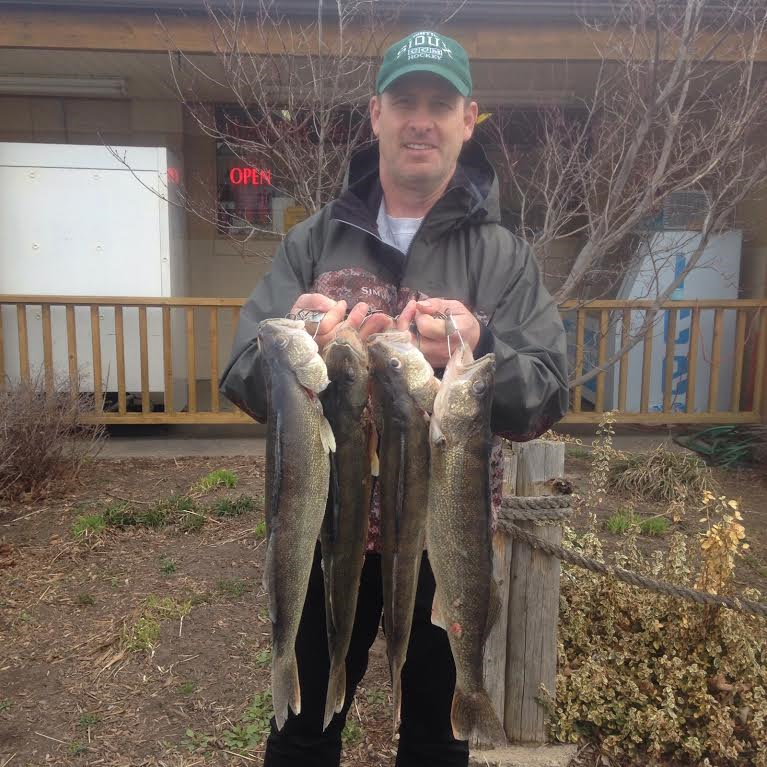
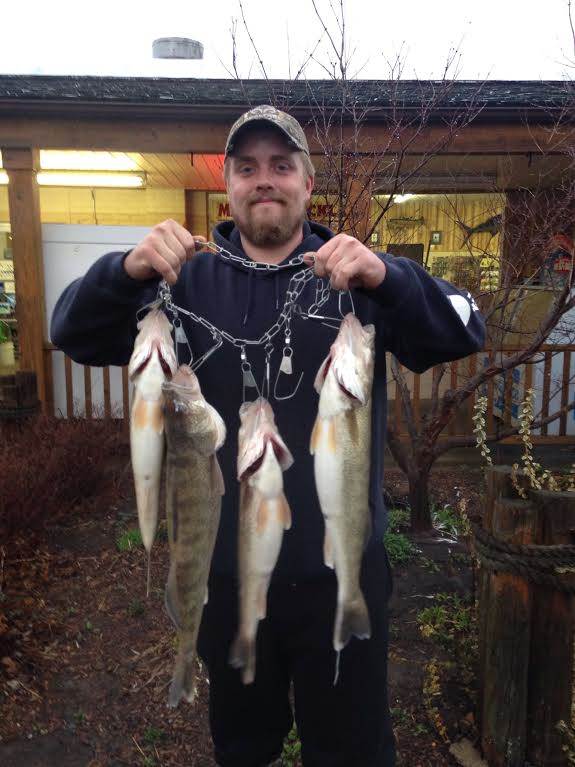
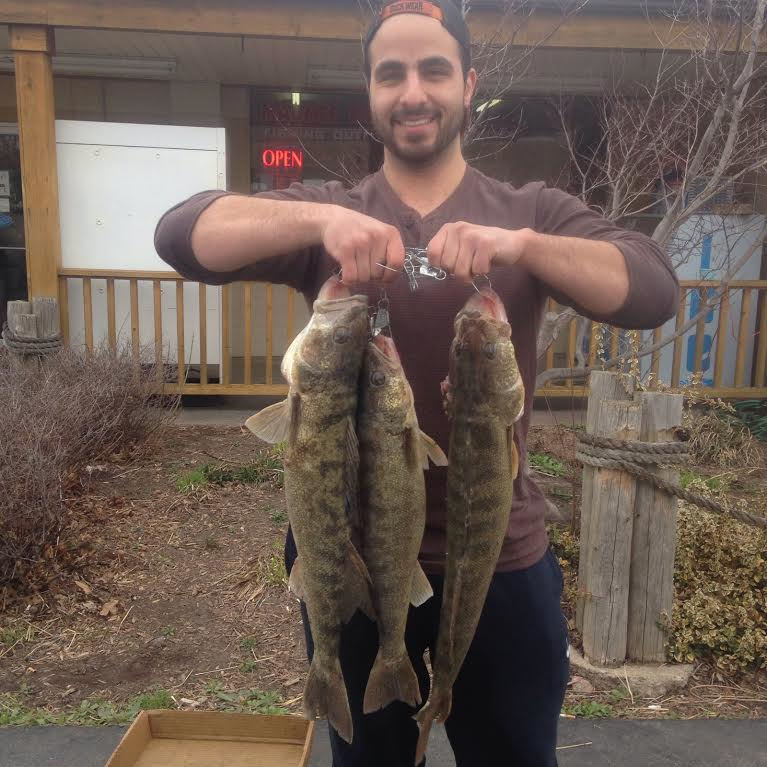
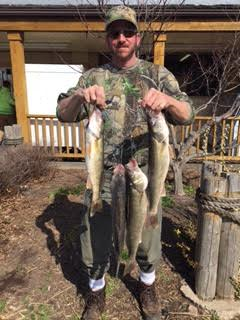
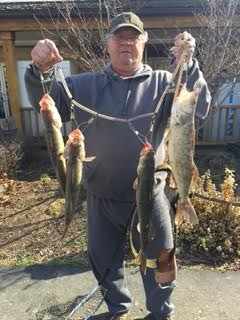


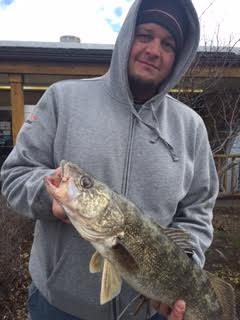
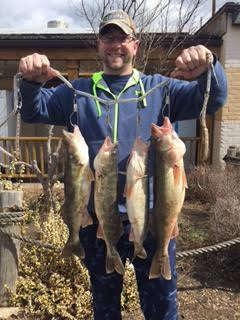
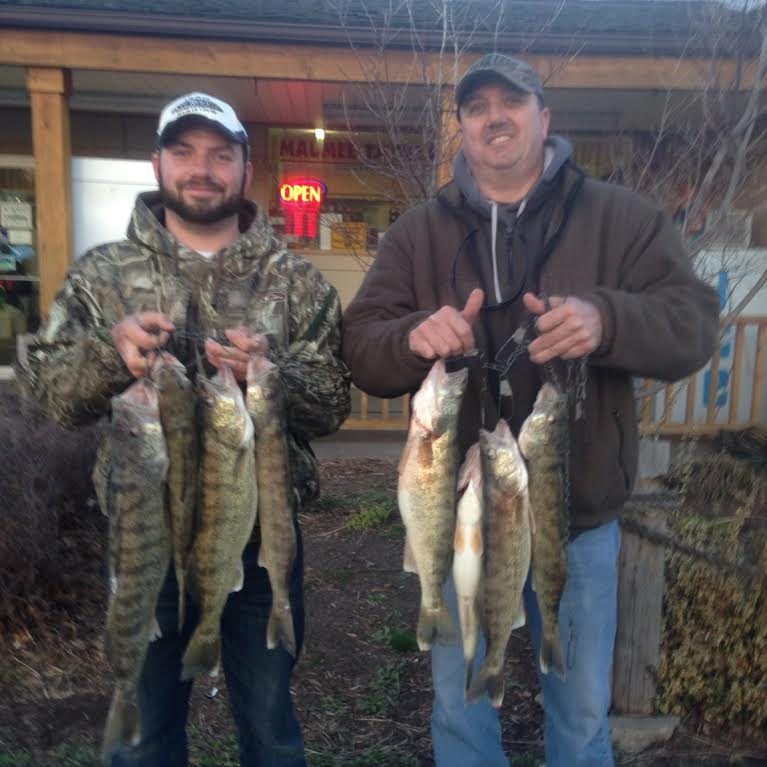
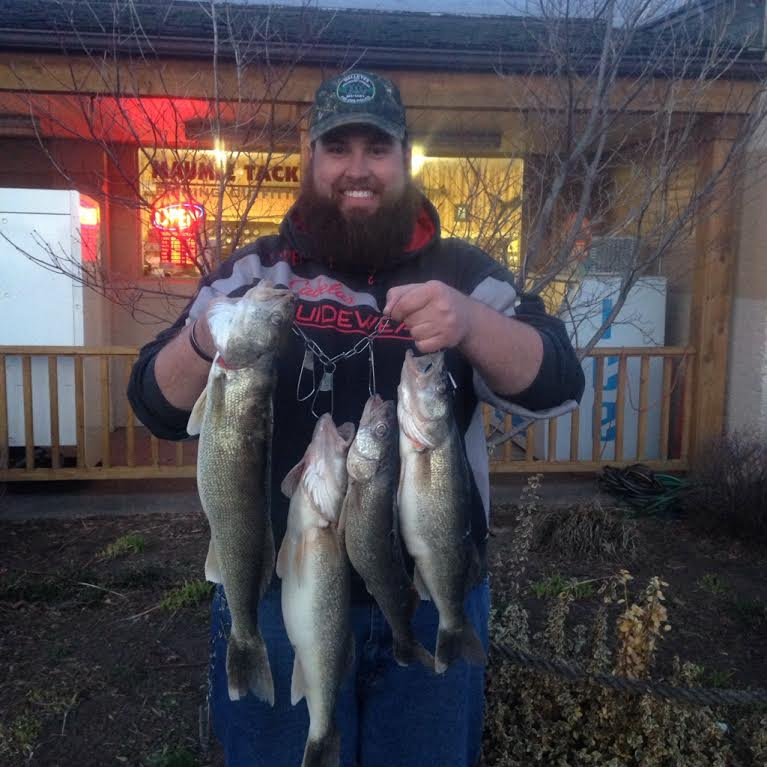
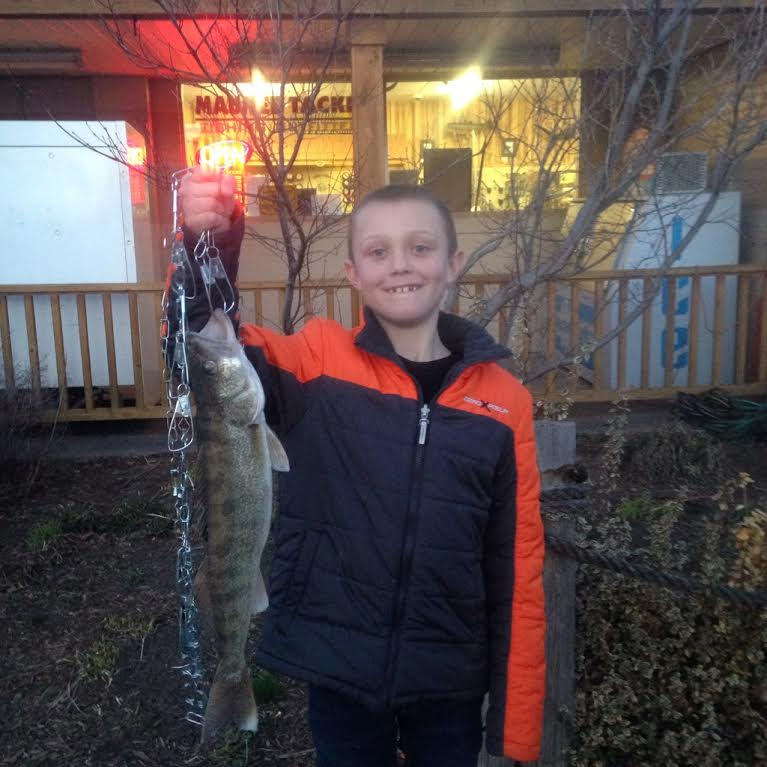
So good walleye fishing is just around the corner. Here in the lake Erie watershed the walleyes begin their pre-spawn cycle even before the ice clears. Their metabolisms gradually speed up with each lengthening day, and two key priorities emerge: finding food and finding suitable spawning grounds. By the time the ice clears, the fish are on the move toward spawning habitat,which is in our case the Maumee River. Whenever they can, walleyes almost always prefer to spawn on some sort of gravel-laden substrate in relatively shallow water. Again in this case our stretch of the Maumee from Perrysburg ,OH to Grand Rapids ,OH is ideal. Look for rock or gravel shorelines, points, riprap and other natural or man-made obstructions. Sun and oxygen exposure(rapids) are other important characteristics of good spawning habitat.
During the pre-spawn, the fish may spend most of the day in some sort of staging area. Unfortunately, finding the staging areas can be tough. They often come in the form of the first major dropoff into deep water, a deep flat, the mouth of a creek or tributary, or a long point or bar extending into deeper water. If its relatively deep structure nearest to shallow spawning structure, chances are good the walleyes will use it as a place to hang out and feed before getting down to business.
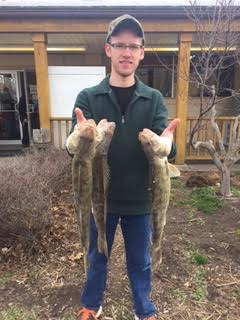
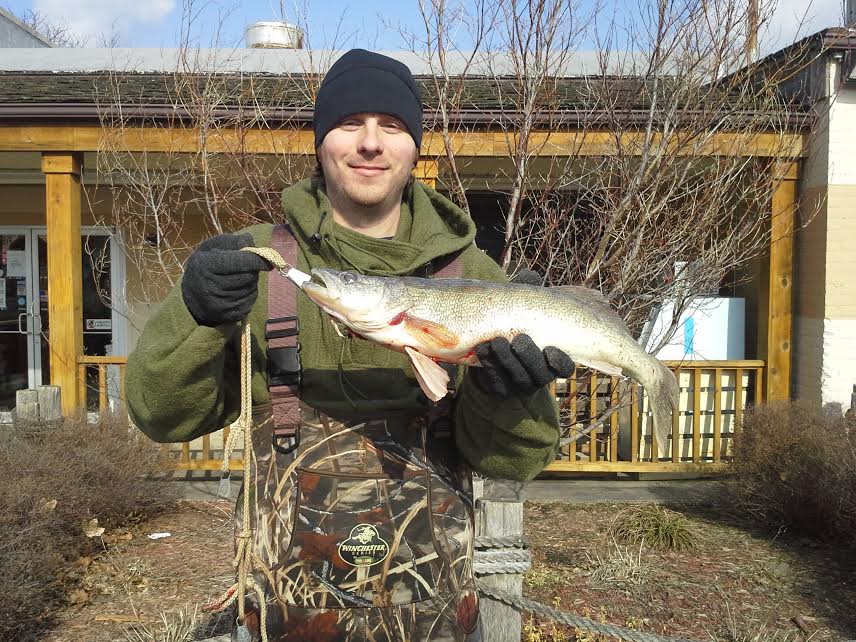

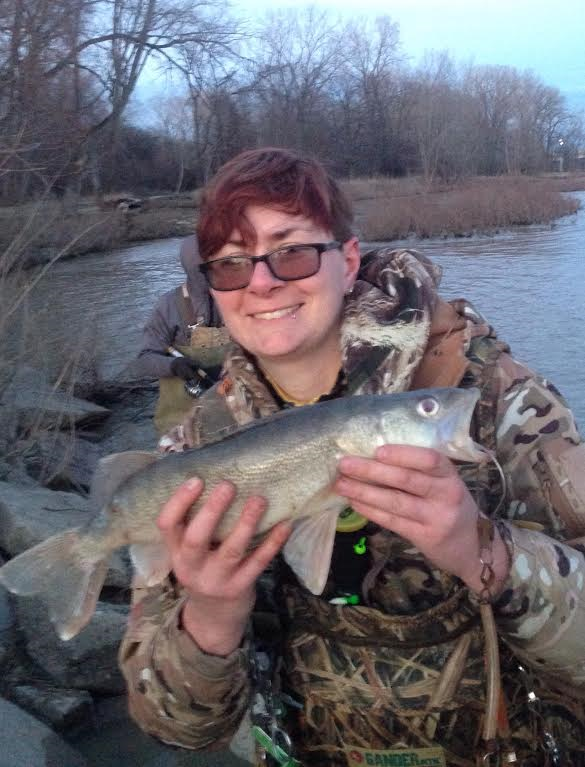

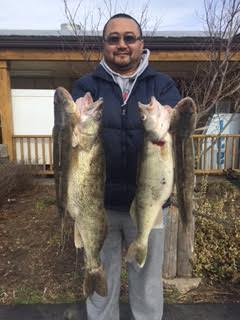
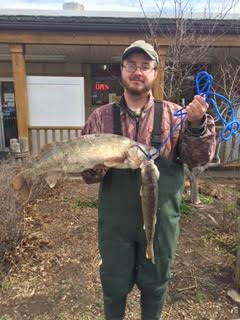

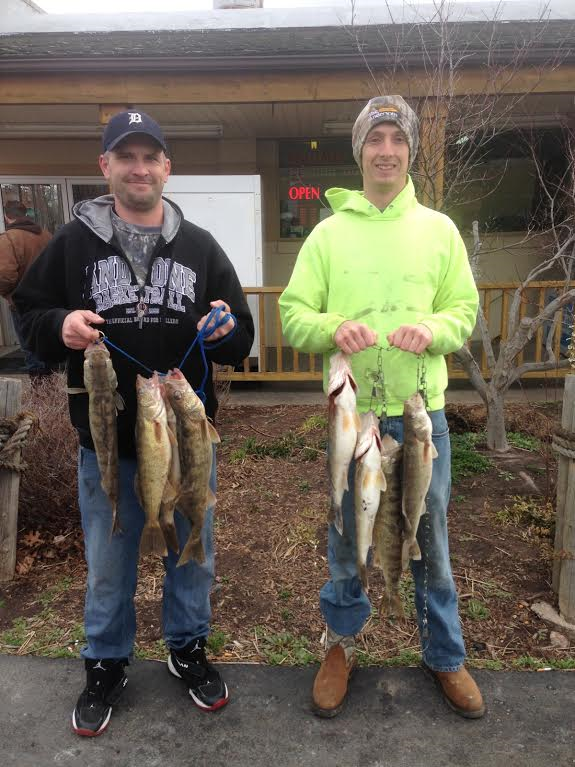
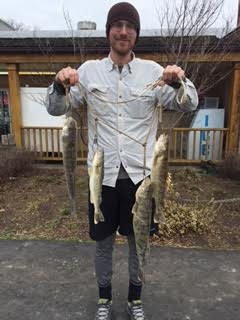

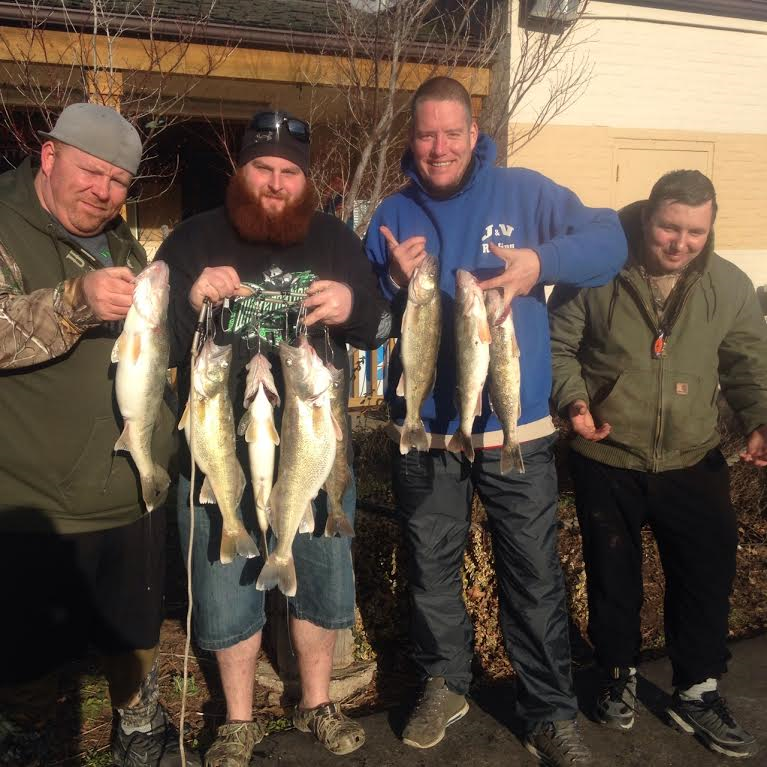
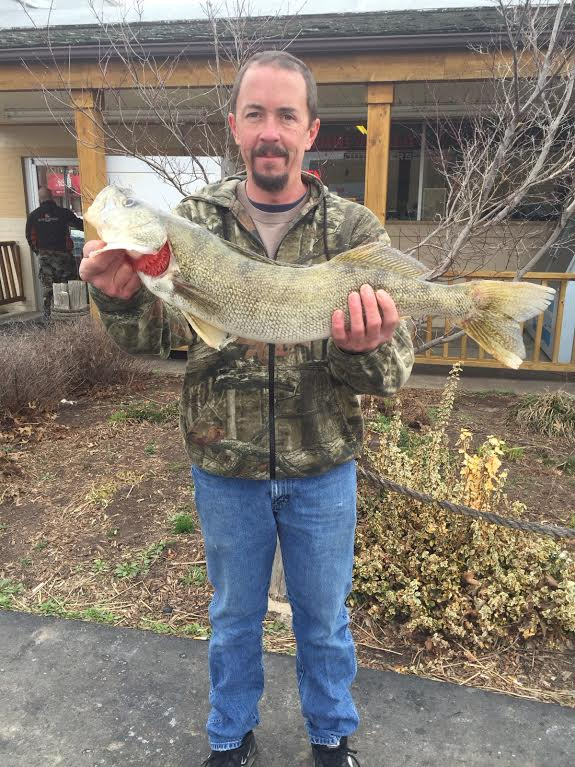


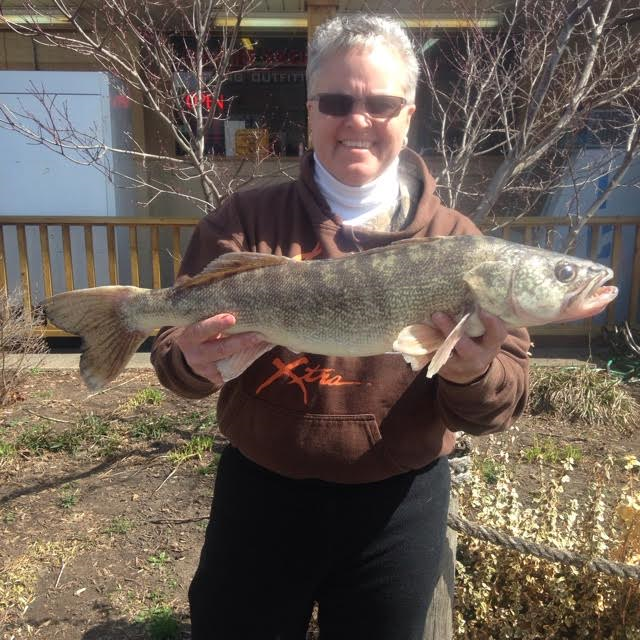


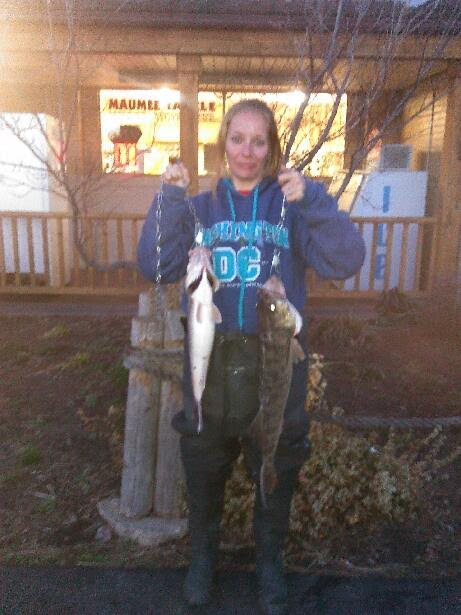
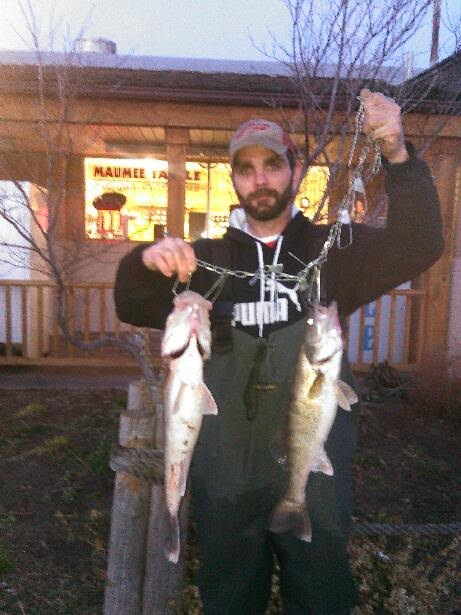
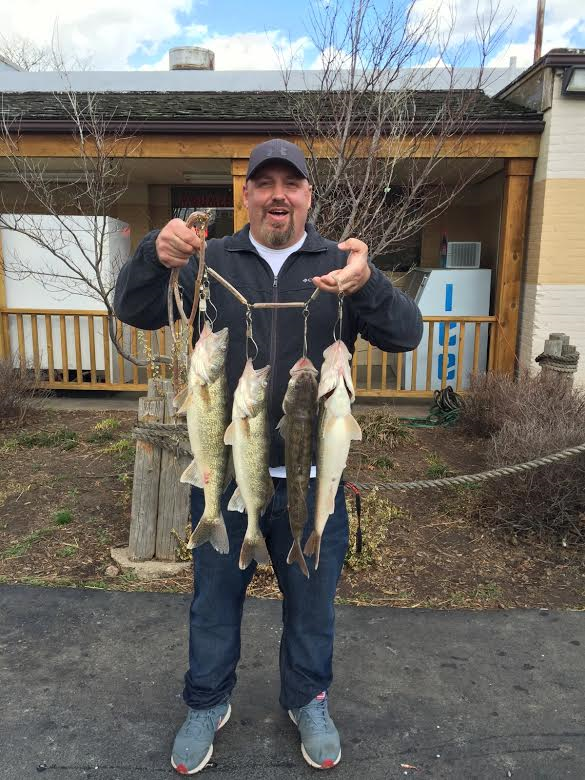
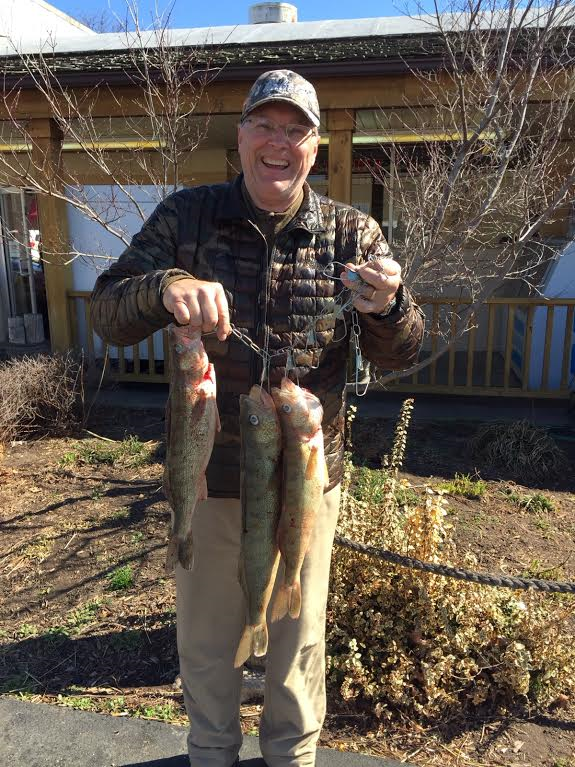

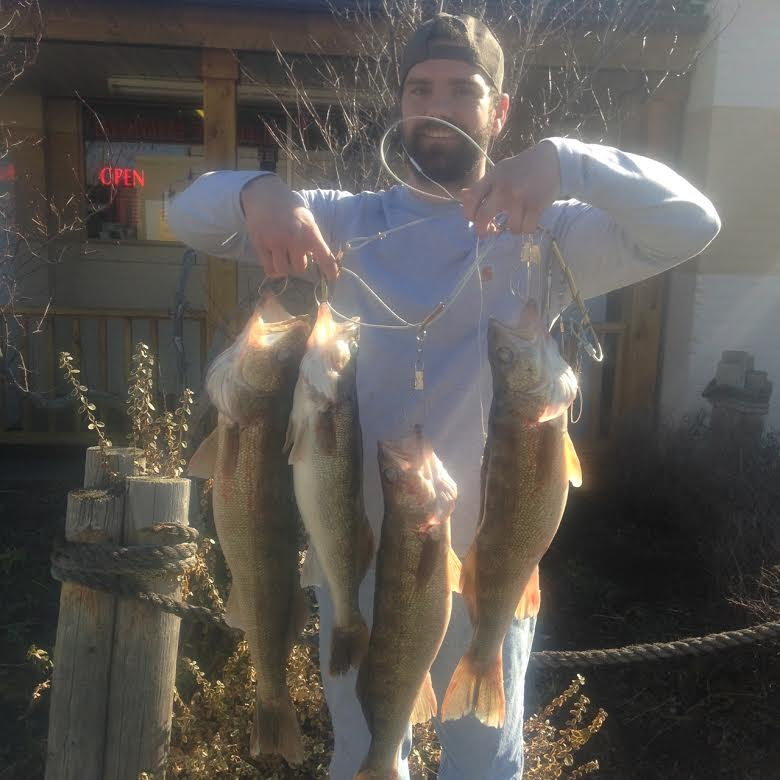
Typically, walleyes with spawning on their minds will use the same early-season locations year after year. If you are a veteran of many pre-spawn outings, try to recall the locations and tactics with which you scored in previous years. Some anglers keep detailed logs with critical data like dates, water temperatures, depth, lure or bait used, where early-season action took place. For others, its all stored upstairs and can be retrieved on demand. Whatever the case, it helps to have a little history on your side. Knowledge is power
Practically all of the fish that enter the river to spawn will deposit their eggs as far upstream as possible. Anything that impedes that upstream progress-and offers suitable spawning grounds will naturally concentrate walleyes in large numbers prior to and during the spawn. Smaller male fish will be the first to arrive at such locations, though the larger females can show up at any time. But again, not all the walleyes in the Maumee river system will migrate at the same pace. Downstream of prime spawning areas, the fish can be there staged and feeding. If small males are the only fish showing up near the spawning grounds and you want to target some bigger fish, keep moving downstream.
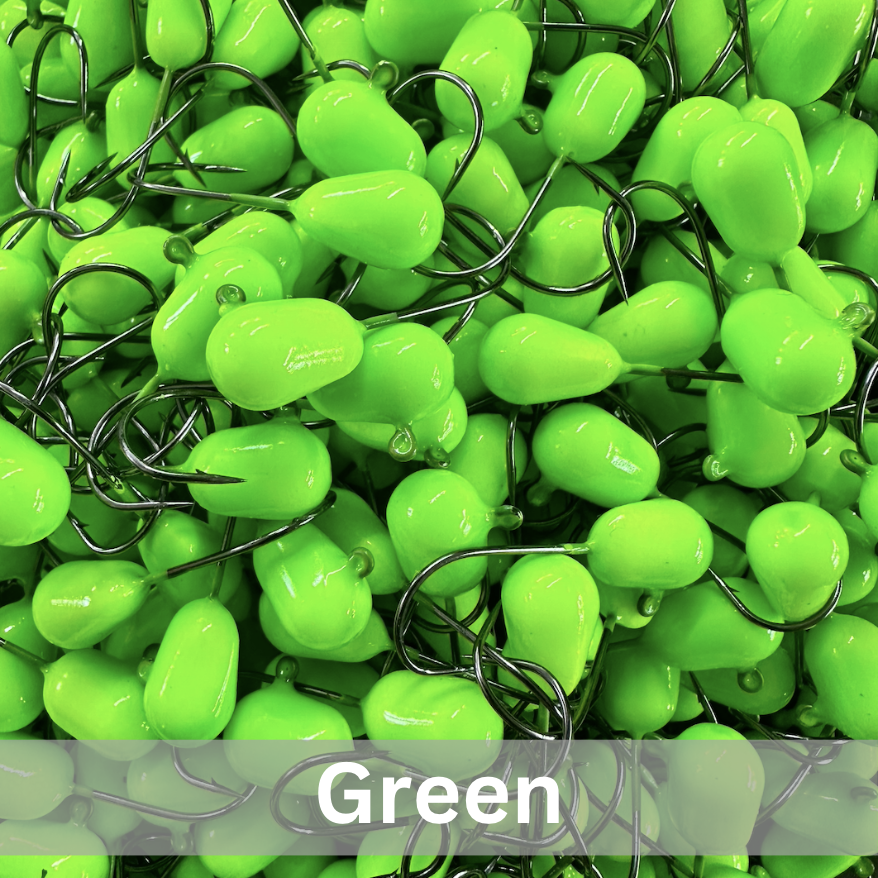
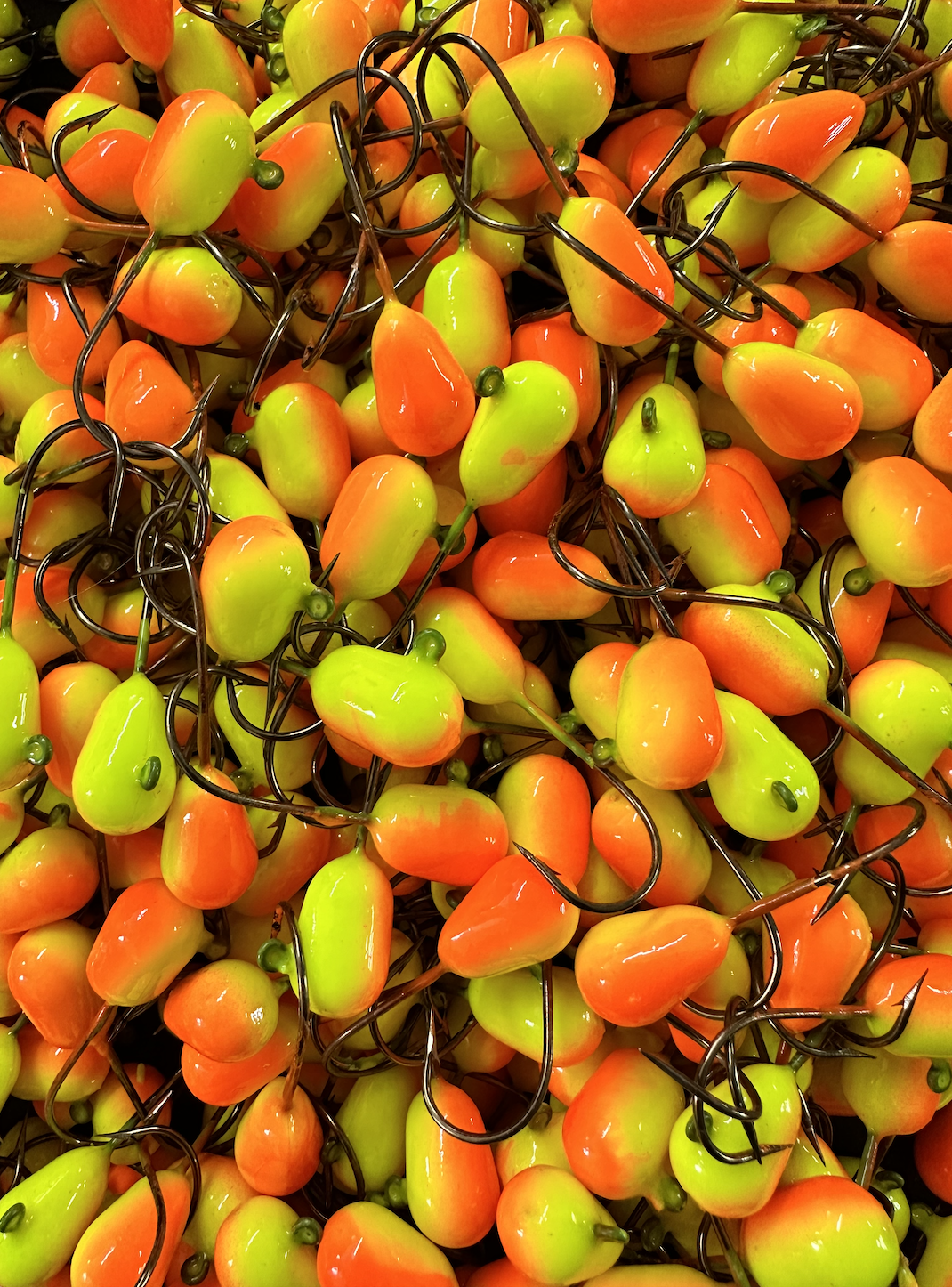
The latest proven river technique is working a floating jig tipped with soft plastic twister tails along eddies, back waters and other areas that break up the current. Walleye can still be sluggish in 40 degree water and wont work too had to take a bait, so keep casts on the short side. Early-season walleye bites are notoriously light. Set the hook often , dont wait for the big strike .
Have fun, be safe and good luck fishing.